It’s a common question: Are Medicaid and food stamps, often called SNAP (Supplemental Nutrition Assistance Program), connected? The short answer is yes, but it’s a bit more complicated than that. Both programs aim to help people with low incomes, but they offer different types of assistance. Medicaid helps cover healthcare costs, while SNAP provides money to buy groceries. Understanding how they relate helps us see how the government supports those who need it most. We’ll explore their connections and how they work together.
Eligibility and Overlap
Do the same people qualify for both Medicaid and SNAP? Yes, there’s significant overlap in who’s eligible for both programs because both programs focus on helping people with limited financial resources. This means that individuals or families who meet the income requirements for Medicaid often also qualify for SNAP benefits.
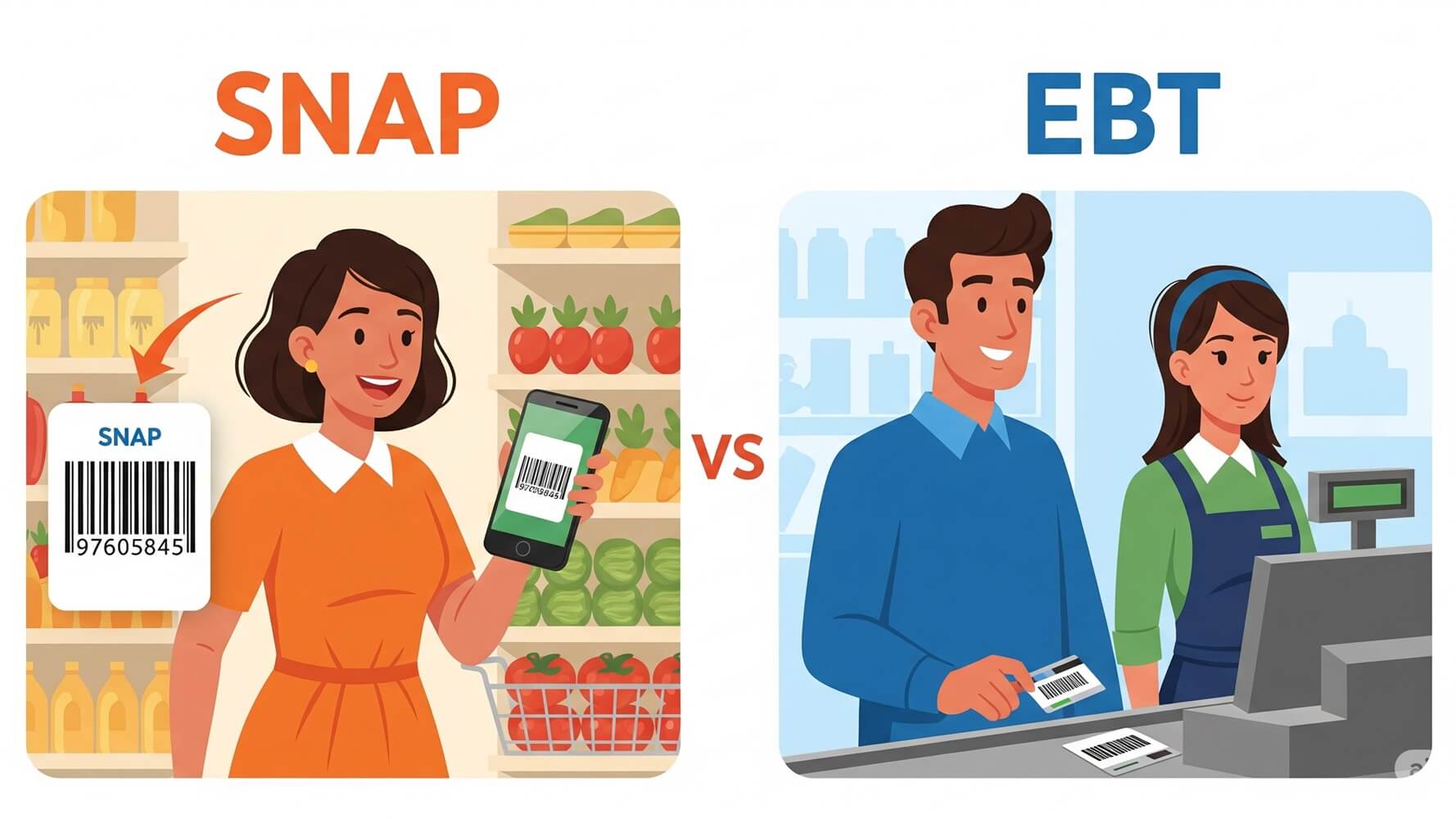
For example, a family with a single parent and two children might be eligible for Medicaid, especially if their income is below a certain threshold. Because their income is low, they’re likely to be eligible for SNAP as well. This overlapping eligibility helps to ensure that vulnerable populations have access to both healthcare and basic nutritional needs. It’s all about making sure people have the resources to stay healthy and well-fed.
However, eligibility varies from state to state, and it’s based on factors like household size, income, and disability status. While the federal government sets some basic rules, states have flexibility in setting their own eligibility criteria. Different states might have different income limits or asset tests. This can sometimes lead to differences in who qualifies for benefits.
Because the focus is on helping people who need it most, there are often specific groups who have priority access. These can include pregnant women, children, and the elderly. States often work to streamline the application process for both programs, making it easier for people to get the help they need.
Income Limits and Requirements
Income Guidelines
What are the income limits for Medicaid and SNAP, and are they similar? The income limits for both programs are closely tied together, but they can vary. Generally, both programs have income guidelines to determine eligibility, though the exact numbers depend on where you live and how big your family is. These limits are typically set as a percentage of the federal poverty level.
Here is a simplified comparison:
- Medicaid: Often has income limits that go up to or even above the federal poverty level, especially for children and pregnant women. Some states have expanded Medicaid eligibility to include adults with incomes up to 138% of the federal poverty level.
- SNAP: Typically sets income limits that are at or below the federal poverty level. The exact cutoff varies by state.
For example, let’s look at some examples. The income limits for SNAP might require household income to be less than a certain amount. It is crucial to remember that income limits are always changing and vary by state.
The Department of Health and Human Services updates the federal poverty guidelines each year. These guidelines help determine who is eligible for both programs.
Application Processes
Applying for Both Programs
Can you apply for Medicaid and SNAP at the same time? Yes, in many places, you can apply for both programs simultaneously. States try to make the application process as easy as possible for people in need. This makes things much less stressful. Many states have a combined application form or a single website to apply for both Medicaid and SNAP.
Applying at the same time saves time and effort. Imagine if you had to fill out two separate applications, submit them to different agencies, and wait for approval from each. That’s a lot of work! Many states have online portals, making the process more accessible.
The application process often involves providing information about your income, assets, household size, and other relevant details. You might need to provide proof of income, such as pay stubs or tax returns. The state then reviews your application to determine your eligibility for each program.
- Online Applications: Many states have online portals for applications.
- In-Person Applications: You can go to a local office.
- Phone Applications: Some states allow you to apply over the phone.
- Mail Applications: Application forms can be mailed.
Because the goal is to connect people with benefits as quickly as possible, many states are working to make the application process as streamlined as possible.
Coordination of Benefits
Working Together
Do Medicaid and SNAP coordinate their benefits? Yes, they often work together to ensure people get the help they need. The state and federal governments try to make the best use of resources and avoid duplication of benefits. For example, if someone is enrolled in both Medicaid and SNAP, the state might use this information to automatically determine eligibility for other programs.
This is like a team effort. Think of it this way: if you have health insurance through Medicaid, and you also receive SNAP benefits, the state agency may have a system. This allows them to make sure that you meet the criteria of the program. This can also help to determine if there are other types of aid that you could be eligible for.
This coordination can also show up in data sharing between agencies. The state agencies have systems that allow them to share information. They may share data to verify income, confirm eligibility, and reduce fraud. It can also streamline operations and improve efficiency.
| Program | Primary Benefit | Coordination |
|---|---|---|
| Medicaid | Healthcare | Eligibility information may be shared with SNAP |
| SNAP | Food assistance | May share data with Medicaid to confirm income |
This integration of benefits makes things more effective and helps people get the support they need, when they need it.
Healthcare and Nutrition Links
Healthy Choices
How do Medicaid and SNAP promote healthy living? Both programs play a role in promoting the health and well-being of their beneficiaries. Medicaid ensures access to healthcare services, which helps prevent illness and manage chronic conditions. When people have health insurance, they are more likely to get regular checkups and address medical problems.
SNAP helps families afford nutritious food, which is essential for good health. Eating a balanced diet supports physical and mental health. Studies show that access to SNAP benefits can lead to improved nutrition and reduced food insecurity. Food insecurity can lead to a number of problems.
Here are some ways SNAP can influence your well-being:
- Better nutrition
- Reduce the risk of chronic diseases
- Improved overall health
Both programs have a shared mission. They work together to help people live healthier lives. Medicaid is designed to help with illness and SNAP is designed to address access to food. They are both designed to make sure people have a good quality of life.
Future Trends
What’s Next?
What might the future hold for Medicaid and SNAP? Both programs are constantly changing. As the world evolves, these programs will too. There will be new technologies, and different types of healthcare needs.
One trend is the ongoing push to streamline the application processes. The goal is to make it easier for people to apply and receive benefits. States will likely continue to invest in online portals and mobile apps. These make the system more convenient.
Here is how we may see these systems change in the future:
- Technology: More online applications and mobile access.
- Integration: Better coordination between programs.
- Health focus: Increasing focus on preventative care and nutrition.
Both programs will continue to evolve to meet the needs of a diverse population. The goal is to help people live healthier and more secure lives.
Key Differences
What’s the Difference?
What are the key differences between Medicaid and SNAP? While they both help people with low incomes, they serve different purposes. Medicaid focuses on healthcare costs. SNAP is aimed at providing food assistance. Understanding these differences is key. It helps us see how they support the community.
Medicaid is focused on medical care. It pays for doctor visits, hospital stays, and prescriptions. SNAP helps people buy groceries to feed themselves and their families. Both programs are essential. They have different purposes but they support the health and well-being of low-income individuals.
- Purpose: Medicaid provides medical care. SNAP provides food.
- Benefits: Medicaid covers medical expenses. SNAP provides food assistance.
- Eligibility: Both have income limits, but they may differ slightly.
- Administration: Both are run by the government at the state and federal levels.
These programs have different features. Yet, they often work together. This provides support to people who have low incomes.
Conclusion
In conclusion, Medicaid and SNAP are definitely related. They are two important programs that provide support to people with low incomes. They share similar eligibility criteria and often work together to help those who need it most. Medicaid focuses on healthcare, and SNAP focuses on food security. Both are essential in ensuring people have access to the basic necessities for a healthy life. As we’ve seen, the connection between Medicaid and food stamps is a vital part of the social safety net. They offer a combined approach to improving people’s lives.