Figuring out what you can and can’t buy with your EBT card can sometimes feel like solving a puzzle! EBT, or Electronic Benefit Transfer, is how people who get food assistance from the government access their benefits. The rules about what’s allowed are a little tricky, and it’s easy to get confused. This essay is going to clear up some of the confusion and answer the question: Can You Buy Ice With EBT? Let’s dive in and see what’s what!
What EBT Covers
So, what exactly *can* you buy with your EBT card? The main idea is that EBT is designed to help you get food. This includes a lot of different things, from fresh fruits and veggies to bread and meat. The specific rules can vary a bit depending on where you live, but the core concept is the same. Think of it as a way to help people afford the groceries they need to stay healthy. It’s all about making sure people have access to nutritious food.
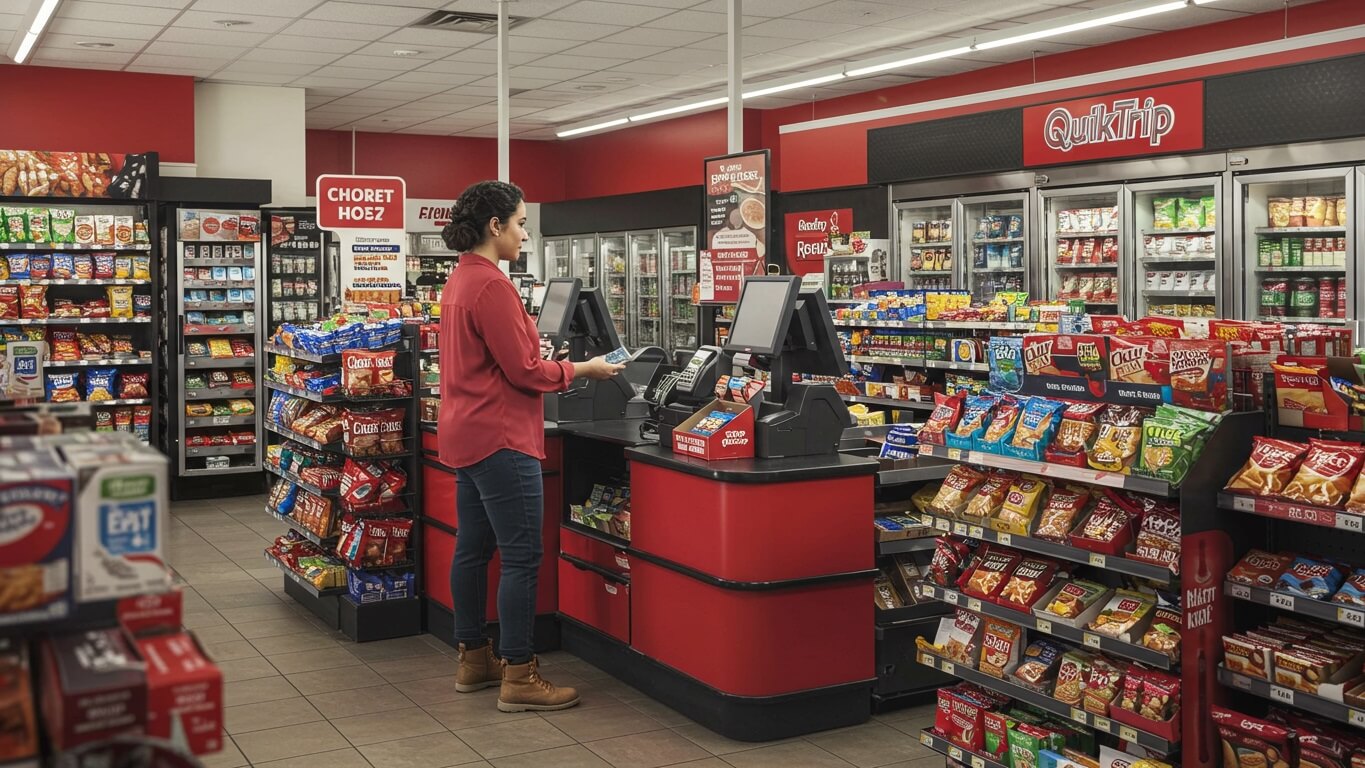
Here are a few common items you’re likely to be able to buy:
- Fruits and vegetables (fresh, frozen, or canned)
- Meat, poultry, and fish
- Dairy products (milk, cheese, yogurt)
- Breads and cereals
EBT also often covers seeds and plants that produce food. This means you could potentially use your EBT card to start your own small garden! This is a really cool feature because it helps people not only get access to food, but also learn about where it comes from. It can also be a fun and rewarding experience. It’s a great way to get fresh produce!
However, there are also some restrictions about what you *can’t* buy. It’s important to know these limits, too! For instance, you generally can’t use EBT to buy things like alcohol, tobacco, or prepared foods that you eat in the store. The aim is always to provide nutritional assistance to families.
Ice and EBT: The Straight Answer
The big question! **No, you typically cannot buy ice with your EBT card.**
Understanding the Reasoning Behind the Rules
The rules about what you can and cannot buy with EBT are set up by the government. The main goal of the SNAP program, which EBT cards are used for, is to help people buy nutritious food. The focus is on providing the basic ingredients for meals, not things like ice, which isn’t usually considered a food item in itself. The reason that it is not allowed is because it is generally not seen as a “staple food”.
These regulations aim to help people make healthy eating choices. This can include fruits, vegetables, meat, dairy, and grains. The goal is to give people access to the ingredients they need for preparing meals at home. It doesn’t extend to things like ready-to-eat meals or things not considered food.
The restrictions on items like ice are meant to help ensure that the limited funds are used for the intended purpose: providing food assistance. There are different rules from state to state but they all have the same goal. The intention is to put the money towards food. It also ensures that it is only used for food intended for home consumption.
Exceptions and Considerations
Although ice generally isn’t allowed, there might be some rare exceptions. For example, if you live in an area that has been hit by a natural disaster, like a hurricane, and the government declares a state of emergency, the rules might be temporarily changed to allow for things like ice. This is designed to help people who have lost power and might need ice to keep their food from spoiling.
Some special programs may offer extra benefits, but these don’t typically include ice. It’s important to remember that the rules surrounding EBT are always subject to change, so checking with your local benefits office is the best way to get up-to-date information. They can let you know if any new rules are in place.
Here is a very basic example of an exception:
- Natural Disaster declared
- Government allows ice purchase
- Limited time frame
Even during emergencies, ice purchases are usually limited. The primary aim is to offer help, not to change the overall policy. Make sure to check local guidelines to get the best and most accurate information.
The Role of Retailers and EBT Acceptance
Retailers that accept EBT cards must follow all the guidelines. They need to know what items are allowed and what are not. This is a must-do to participate in the SNAP program. If they break the rules, they could be kicked out of the program.
This is how it looks in a simple chart:
| Allowed Items | Not Allowed Items |
|---|---|
| Fruits and Vegetables | Alcohol |
| Meat, Poultry, Fish | Tobacco |
| Dairy | Prepared Foods |
The retailer uses special point-of-sale systems and card readers to process EBT payments. These systems are programmed to identify which items are eligible and prevent the purchase of non-eligible items. At the end of the day, retailers are key in making sure the EBT system runs smoothly.
Retailers play a big part in the EBT system. It is important that they are in compliance with the rules. They are also a great resource for consumers to know what items they can buy.
Alternative Cooling Solutions
Since you can’t buy ice with EBT, what are some alternatives for keeping your food cold? One option is to use reusable ice packs. You can freeze these at home and use them in a cooler to keep your food cold. These are a great option, and they are reusable, so you don’t have to keep buying more.
Here is another idea for you:
- Freeze water in reusable bottles or containers.
- Use insulated cooler bags.
- Buy foods that do not need refrigeration.
- Plan meals with minimal refrigeration needs.
Also, you could consider buying a small, portable cooler. Then you can carry your food with you on the go. Planning ahead for meals is also a great idea.
The goal is to use smart alternatives for keeping food cold without buying ice. With a little planning, you can get all the food you need.
The Importance of Budgeting and Planning
Using an EBT card effectively means thinking about budgeting and planning your meals. Knowing what you can and can’t buy is the first step. Then you have to plan out what meals you want and make a list of food that fits within the rules.
Here’s a quick look at how planning helps you:
- Make a shopping list.
- Check prices at different stores.
- Shop sales and use coupons.
- Plan meals around your EBT purchases.
Also, think about using up all the food you bought to avoid waste. This can really help stretch your EBT funds! It is also good for the environment. This way you can maximize the benefit of your food assistance.
Remember that every dollar counts when you’re managing your EBT funds. Planning and budgeting helps you use all of your funds in the best way!
Conclusion
So, can you buy ice with EBT? Generally, the answer is no. EBT is designed to help people get nutritious food, and ice isn’t usually considered a food item. But the rules can change, so it is important to stay informed. By understanding the rules, planning your meals, and using creative cooling solutions, you can still make the most of your EBT benefits. Good luck and happy shopping!