Navigating the world of food assistance programs like EBT (Electronic Benefit Transfer) can sometimes feel like learning a new language. One of the most common questions people have is: what exactly can I buy with my EBT card? Does it cover everything in a grocery store, or are there restrictions? This essay will explore the specifics of using EBT for paper products, breaking down what’s allowed and what’s not, so you’ll know exactly what to expect when you’re at the checkout.
The Simple Answer: What EBT Does NOT Cover
The main thing to understand is that EBT is designed specifically for food. EBT does not cover paper products. This is because the program’s primary goal is to help people afford nutritious food for themselves and their families. Things like paper towels, toilet paper, and facial tissues fall into the category of household supplies, which are not considered food items.
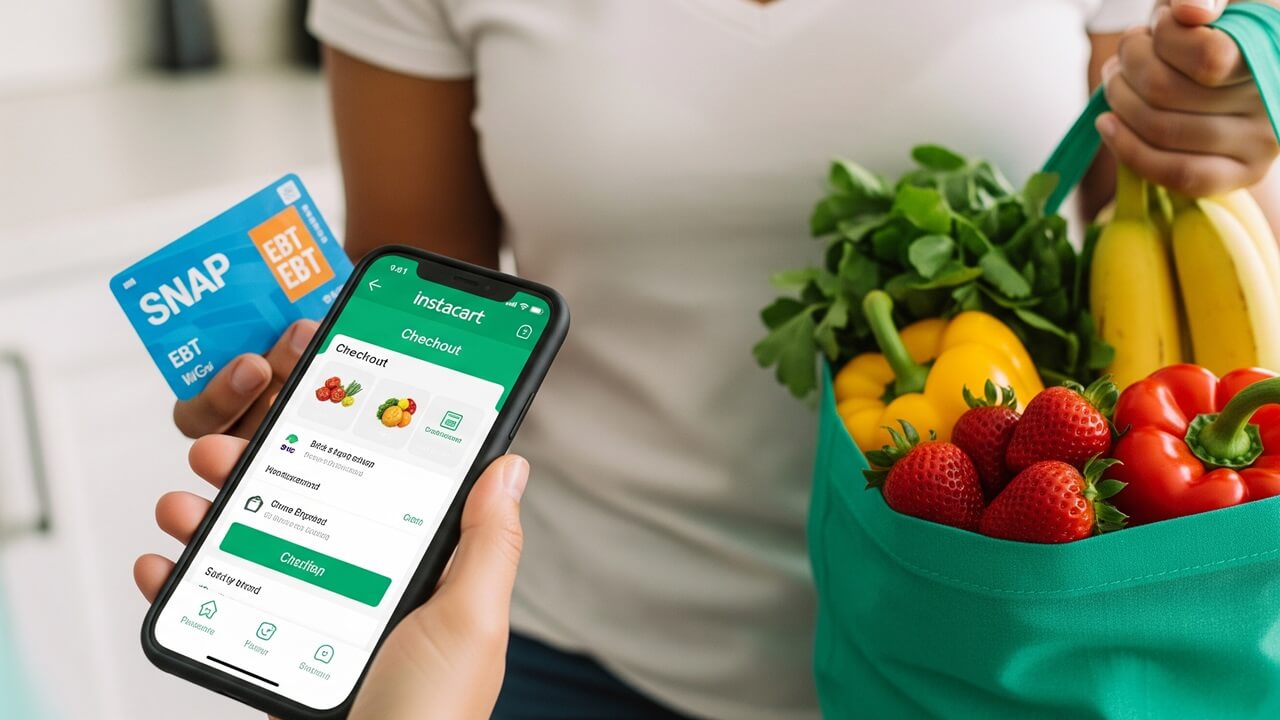
Because of these restrictions, EBT cardholders are often confused about what they can and can’t purchase. It is very important to be aware of the rules so there are no issues when paying for food at the store. EBT rules and regulations can vary state by state so always check your local EBT guidelines.
Let’s be clear, EBT will never cover non-food products. Items like paper products, cleaning supplies, and hygiene products are off-limits. Also, this is a federal government program, therefore, the rules are consistent across the United States.
Even though you can’t buy paper products with EBT, it is important to remember there are several other programs that may be able to assist you in getting what you need. Reach out to your community services to find out more.
What About Items Closely Related to Food?
Sometimes, it’s hard to tell the difference between a food and a non-food item. For example, what about paper plates or napkins? These are often used when eating, so could they be covered? In most cases, the answer is still no.
The main focus of EBT is to provide assistance with essential food products. Things like disposable paper plates and plastic utensils are classified as non-food items. These are excluded because of their non-nutritional purpose. It’s important to be aware of these limitations when planning your shopping trips.
If you are unsure if an item is covered, look out for these things:
- Check the item’s packaging: Does it clearly identify the purpose?
- Consult the store staff: They are usually trained to help with EBT questions.
- Read the EBT guidelines: See a copy of your local program rules.
Always remember, EBT rules are enforced to maintain the program’s integrity and focus on providing assistance to those in need. It is always best to follow the rules so there are no issues with your food assistance.
Specific Examples of Paper Products NOT Covered
To make things extra clear, let’s look at some specific examples of paper products that are not eligible for EBT purchase. This list will give you a better idea of what to expect when shopping.
Here is a table that shows you examples of what you can’t buy:
| Product | EBT Eligible? |
|---|---|
| Paper Towels | No |
| Toilet Paper | No |
| Napkins | No |
| Paper Plates | No |
| Facial Tissues | No |
As you can see, the list includes common household essentials used for cleaning, hygiene, and serving food. These are considered non-food items, even if they are used when you eat. Keep in mind that rules and laws can change over time, so make sure you’re always updated.
While you can’t use EBT to purchase these items, they are still necessary for running a household. If you’re having trouble affording these products, you might consider looking into other assistance programs. Some local charities or community organizations sometimes offer free or low-cost household supplies.
What Other Payment Options Are Available for Paper Products?
If you can’t use your EBT card for paper products, what are your other options for paying for them? There are many ways to do this, depending on your income and resources.
For many EBT recipients, they will use their own money to purchase paper products. This could be from a job or from other sources. Another great option is to create a budget so that you can plan what to buy and not overspend.
Here are some ideas to consider:
- Use cash.
- Use a debit card.
- Use a credit card (if you have one).
- Check for store sales.
- Use coupons.
- Look into government assistance.
Planning ahead and exploring different ways to save money when shopping can help you purchase essential household products, like paper products. Make sure you are responsible with your funds.
Can You Use EBT at Certain Stores to Buy Paper Products?
You cannot use your EBT card to purchase paper products, regardless of where you are shopping. EBT rules are consistent across all grocery stores, supermarkets, and other retailers.
The rules are the same whether you’re shopping at a large chain store or a smaller, local market. It is against federal guidelines to do so, and you will get into trouble. It is very important to follow the rules for your own benefit.
EBT rules are designed to be very specific, to prevent fraud and protect the integrity of the program. Here’s a basic overview:
- EBT covers only food items.
- EBT does not cover non-food products.
- Retailers are trained to ensure compliance.
You can safely use your EBT card at various stores, so be sure to shop around and find the best deals. Also, you can make your money stretch far when you are a smart shopper.
Are There Any Exceptions or Loopholes?
While the general rule is clear – no paper products with EBT – you might wonder if there are any exceptions or loopholes. Unfortunately, the answer is a firm no.
There are no workarounds. There are no special circumstances that change the rules. EBT is very black and white. You are either eligible to buy something with the card, or you are not.
It is against the law to make purchases on EBT that do not follow the program’s rules. Any changes would have to be made by the federal government. If you have any concerns or complaints, be sure to contact your local EBT office. Here’s how you can find out more:
- Contact your local EBT office.
- Contact your state’s government website.
- Look into community organizations.
It’s always best to stick to the guidelines and use the EBT program as it’s intended, which is to provide you with food. Also, staying within the rules will save you a lot of grief.
Tips for Budgeting and Buying Paper Products Separately
Since you can’t use EBT for paper products, it’s important to have a plan for buying them with other funds. Here are some tips to help you budget and make smart choices.
Before you shop, make a shopping list. Include all the items you need to buy, including paper products. Then, estimate how much it will cost.
- Make a budget.
- Shop around for the best deals.
- Buy in bulk (if you can).
- Use coupons and look for sales.
By following these tips, you can purchase paper products responsibly, while still focusing on using your EBT for food. Careful planning can make a big difference when it comes to managing your household expenses.
These steps can help you save money and create a strategy that fits your needs. Also, you can find information online about other useful financial tips and guidance.
Conclusion
In conclusion, while EBT provides essential support for food purchases, it does not cover paper products. Understanding this clear rule is vital for responsible EBT card use. This knowledge will help you to shop with confidence. By knowing the restrictions, exploring other payment options, and budgeting wisely, you can manage your household expenses effectively. Always remember to prioritize the program’s intended purpose – providing nutritious food – while still meeting your needs for household essentials through other means.