The Supplemental Nutrition Assistance Program (SNAP) is a big deal in the United States. It helps millions of people afford food. But have you ever wondered where the money for SNAP actually comes from? This essay will break down how the federal government funds this important program, making sure that people who need it can get help buying groceries. We’ll look at the different sources of funding and how the money is used.
Direct Funding: The Main Source
So, the big question: How does the federal government get the money to pay for SNAP? The U.S. government, through the Department of Agriculture (USDA), provides the majority of the funding for SNAP. This happens mainly through something called the Farm Bill, which is a huge piece of legislation that gets updated every few years. The Farm Bill sets aside money for different food and agriculture programs, including SNAP.
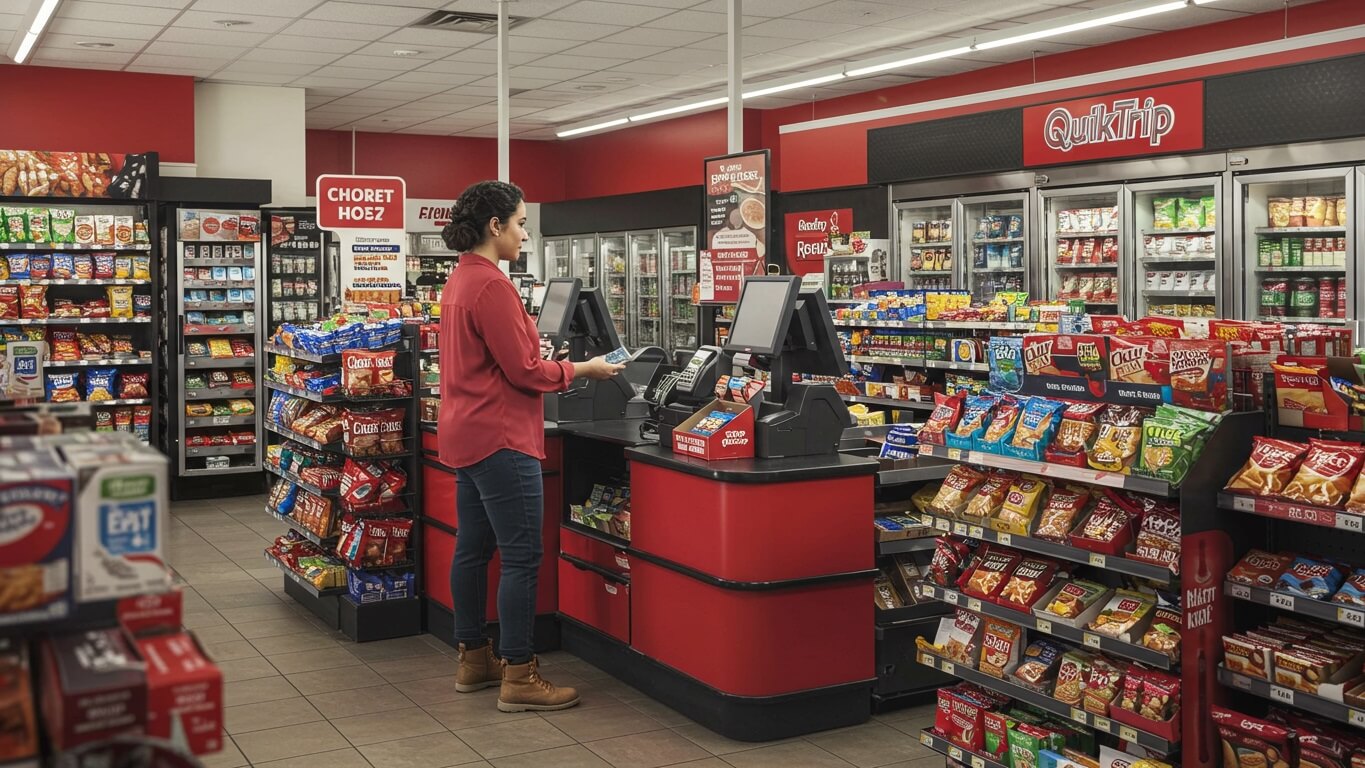
The money for SNAP isn’t just pulled from one place. The federal government has a few different ways it gets the cash. One way is through taxes. Income taxes, payroll taxes, and corporate taxes all help to fill the government’s coffers. Then, a portion of that general fund is allocated to the USDA for SNAP. This is like your parents budgeting their money; they decide how much to spend on groceries (SNAP) versus other things.
The USDA actually works with state governments to run SNAP. While the federal government provides the funds, states handle things like determining eligibility, distributing benefits, and providing assistance to participants. States play a crucial role, ensuring the program works at the local level. This cooperation makes the whole system function properly.
Let’s remember that the amount of money allocated to SNAP can change. Congress, the group of people who make laws, can adjust the funding levels, usually when they pass the Farm Bill. These adjustments are affected by factors like the economy, the number of people needing help, and other needs across the country.
The Farm Bill’s Influence
As mentioned earlier, the Farm Bill is super important for SNAP. It’s like the rule book for how the program runs. This law includes money that’s directly allocated for SNAP benefits (the food money). This part of the Farm Bill is the most significant funding aspect.
The Farm Bill doesn’t just decide the amount of money; it also sets eligibility requirements. Who can get SNAP benefits is defined in the Farm Bill. These include things like income levels, family size, and employment status. Each of these factors help to decide how much money each person receives, along with their ability to participate in the program.
This bill also determines the types of foods that people can buy with their SNAP benefits. While fresh produce, meat, and dairy are all fine, some items, like alcohol and tobacco, are prohibited. The Farm Bill, and the USDA, define the standards for what is allowed and what is not.
The Farm Bill gets updated about every five years. Congress debates, revises, and reauthorizes it. This is a big, often political, process. It impacts the lives of millions who rely on SNAP for food. So, it’s a big deal.
Economic Factors and SNAP
The economy plays a huge role in how much money the government spends on SNAP. During tough times, like recessions or periods of high unemployment, more people need help with food. This results in more people applying for SNAP, and thus the government needs to spend more money.
Think of it like this: if lots of people lose their jobs, more folks need help to buy food. The increase in need means a jump in SNAP enrollment. This makes the government need to find more money to keep the program running smoothly. This helps to lessen the impact of the financial struggles during economic hardship.
There’s also a connection between inflation and SNAP. When the cost of food goes up, the value of SNAP benefits needs to be adjusted to help people afford the basics. These adjustments also require extra money to maintain people’s ability to get food.
- Recession: Increase in SNAP usage
- Inflation: Benefits adjust to match food cost
- Employment: Job losses lead to increase need
The federal government is always tracking economic indicators, such as the unemployment rate and inflation. They use this information to make predictions and adjust SNAP funding. This helps to ensure the program continues to meet the needs of Americans, regardless of the economic climate.
Administrative Costs: Keeping the Program Running
SNAP isn’t just about handing out food money; there are administrative costs too. These are costs to make the program work. Think of the costs of running a store. Some of that goes to inventory and purchasing, but more goes to keeping the lights on.
A lot of the money helps pay for the state employees who handle the applications, determine eligibility, and manage the benefits. This includes the people who answer phone calls, check documents, and ensure everything works properly. Without them, the program would not work as effectively.
The federal government provides money to states to cover these costs. States also pitch in a bit of their own money. This ensures that the administrative side of the program runs smoothly, and people get their benefits on time.
Administrative costs also include things like fraud prevention and program integrity efforts. This is necessary to make sure the money goes to those who truly need it and to prevent misuse.
Here is a table showing some of the different administrative costs:
| Category | Examples |
|---|---|
| Personnel | Salaries, training |
| Technology | Computers, software |
| Outreach | Advertising, education |
Federal-State Partnership: Working Together
SNAP is a partnership between the federal government and state governments. The federal government provides the funds, and states handle the daily operations. This collaboration ensures the program is as accessible as possible.
States have a lot of control over things like application processes, outreach efforts, and how they communicate with participants. This allows them to customize the program to meet the needs of their residents. They know the situation in their state better than the federal government does.
To keep the system running, the federal government provides states with a lot of guidance and oversight. They set the rules and ensure that states follow them. The USDA monitors state performance, and provides resources and assistance.
- Federal Government: Provides funding and sets rules
- State Governments: Runs the daily operations
- Collaboration: Ensures efficient benefits distribution
- Flexibility: States adapt to local needs.
This is an important partnership, and it’s how SNAP successfully assists millions of people throughout the country. Without both partners working together, the program just wouldn’t be possible.
Impact of Legislation Changes
Changes to laws can significantly affect how SNAP is funded and administered. As we discussed, the Farm Bill is the most prominent example, but smaller changes in other legislation can have an impact too.
When Congress passes a new law that changes the eligibility criteria or benefit levels, it usually has to adjust the program’s funding. This ensures that the program can meet the needs of everyone who qualifies, according to the new rules.
Sometimes, these changes can be controversial. Different people may have different opinions about who should be eligible for benefits and how much assistance they should get. This means the debate over changes to SNAP funding can be a lively topic.
The effects of such changes are usually studied. Researchers look at how they affect the number of people using SNAP, the economy, and how well the program is operating. Here’s some information on things that get looked at:
- Enrollment: The number of people on SNAP.
- Cost: How much money it costs to run the program.
- Impact: What happens to people who receive benefits.
- Outcomes: What happens with food security.
Other Funding Sources: Beyond the Basics
While the bulk of SNAP funding comes directly from the federal government, some other sources can influence the program. Some sources are more indirect, but they play a role in the overall picture.
For example, grants from private organizations or other government programs might support SNAP-related initiatives, such as education or outreach programs. These grants often help states improve the delivery of benefits.
There are also specific initiatives, like the Healthy Food Financing Initiative, that support access to fresh foods. These initiatives may be supported by separate funding, to boost the positive effect of SNAP.
Here is a table showing the differences between various funding types:
| Source | Example | Impact |
|---|---|---|
| Federal | Farm Bill | Direct food benefits |
| State | State administrative costs | Local program operations |
| Other Programs | Outreach programs | Education and awareness |
These extra sources aren’t as big as the main source, but they still help SNAP achieve its goals. They can make the program more effective and reach more people.
Conclusion
In conclusion, funding for SNAP primarily comes from the federal government through the USDA and the Farm Bill. This funding is essential in helping millions of Americans afford nutritious food. While the federal government provides the cash, state governments help to administer the program and ensure it meets the needs of local residents. Several factors, including economic conditions, legal changes, and outside initiatives, can affect SNAP’s funding. By understanding how SNAP is funded, we can better appreciate the critical role it plays in fighting hunger and supporting the well-being of people across the country.